







Search Results for: aroma bottles
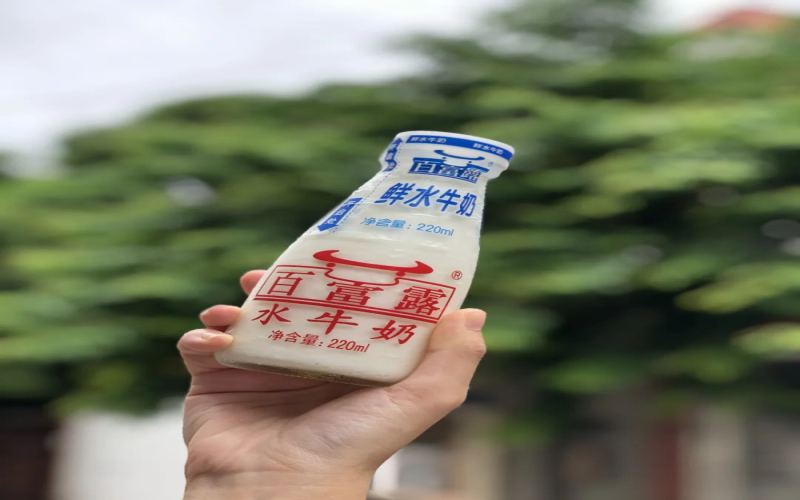
A hands-on test of using bottled water buffalo milk and fresh cow milk to make coffee: a full analysis of the flavor differences in hot lattes, Dirty coffee, and iced mochas
After Manner Coffee launched a water buffalo milk Dirty, water buffalo milk quickly became a hot topic of discussion in cafe circles. For friends in Guangzhou, Foshan, and Guangxi, water buffalo milk is a taste they grew up drinking. This review brings together the legitimately available fresh glass-bottled water buffalo milk and ordinary glass-bottled fresh milk sold in Guangzhou, comparing them one by one in hot lattes, Dirty, iced mocha, and iced lattes, observing their different performances in steaming, layering, integration, and finish. It also discusses the impact of pasteurization and ultra-high-temperature sterilization on mouthfeel, as well as the cost-effectiveness and sense of ritual of glass-bottled milk in cafe use. The article also retains specialty bean recommendations related to Front Street Coffee for coffee lovers' reference. [more…]
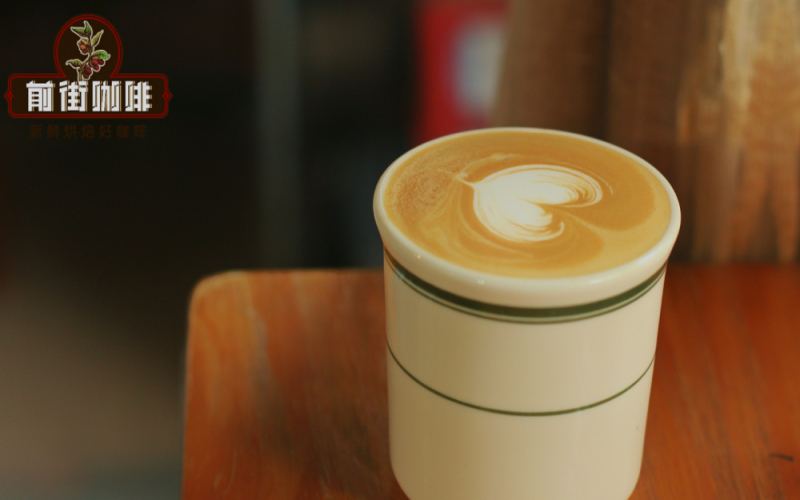
Which Milk Should You Choose for Coffee? A Side-by-Side Taste Test of Glass-Bottled Fresh Milk vs. Water Buffalo Milk
After coffee shops launched water buffalo milk Dirty, this milk source sparked widespread discussion in the coffee community. Water buffalo milk is familiar to friends in Guangzhou, Foshan, and Guangxi, but how does it actually perform in coffee? This article, through hands-on comparisons of glass-bottled fresh milk and water buffalo milk, makes hot lattes, Dirty, and iced mochas respectively, recording one by one from milk foam fineness, coffee integration, layering effect, to flavor layers. At the same time, it will also sort out the effects of pasteurization and ultra-high-temperature sterilization on milk taste, helping coffee lovers and cafe owners find milk suitable for pairing with coffee. [more…]
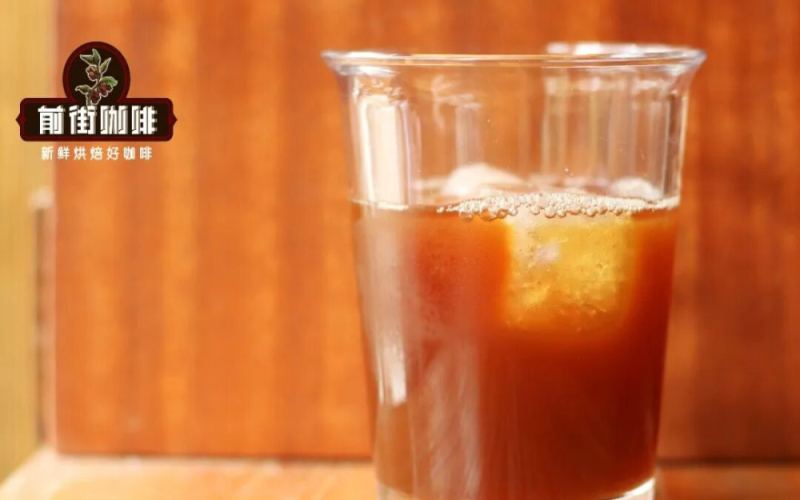
The Complete Process of Making Cold Brew Coffee at Home Using a Mineral Water Bottle: Parameters, Bean Selection, and Practical Tips
When the weather gets hot, cold brew becomes the go-to lifesaver for many coffee lovers. To enjoy cold brew, you don't necessarily need a dedicated cold brew pitcher—an ordinary plastic water bottle can just as easily produce a clean-tasting black coffee. This article explores the feasibility, cost, water usage, and extraction results of making cold brew with a plastic water bottle, along with specific details such as the coffee-to-water ratio, grind parameters, and steeping time. It also offers recommendations for coffee beans suitable for cold brew and tips to enhance the flavor. Using a 300ml plastic water bottle paired with Front Street Coffee's Fruit Ding Ding coffee beans as an example, the article provides a complete demonstration of the process from pouring water, grinding, adding coffee grounds, refrigerated steeping, to filtering and drinking, helping you easily make a budget-friendly and refreshing cold brew black coffee at home. [more…]
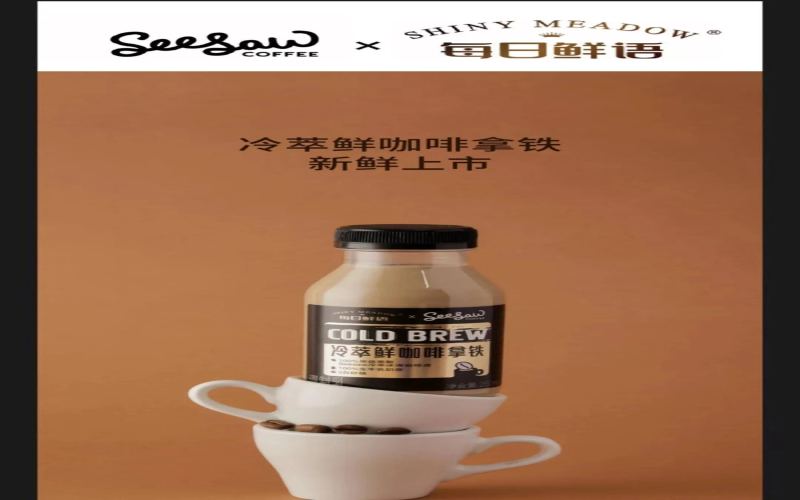
Seesaw partners with Daily Fresh Milk to launch bottled cold brew latte, sweetened with monk fruit concentrate, sparking polarized reviews
Specialty coffee brand Seesaw recently teamed up with Mengniu's fresh milk brand Daily Fresh to launch a bottled cold brew fresh milk latte. The official claim is that it uses custom cold brew beans, paired with fresh milk from a GAP Grade 1 certified pasture, with an ingredient list that highlights 0 non-dairy creamer, 0 white granulated sugar, and 0 artificial sweeteners, while the sweetness comes from natural monk fruit concentrate. After the product hit the market, online shopping platforms sold it at about 11 yuan per bottle, with a minimum purchase of 3 bottles, prompting many consumers to stock up. However, public opinion is clearly divided: some praise the clean formula of fresh milk plus coffee, while others complain of a traditional Chinese medicine taste, a sticky mouthfeel, and an inexplicable astringency, with the controversy centering on the sweetness brought by monk fruit concentrate. This article reviews the formula, price, and consumer feedback of this new product, and explores the competition and choices in the bottled coffee market. [more…]
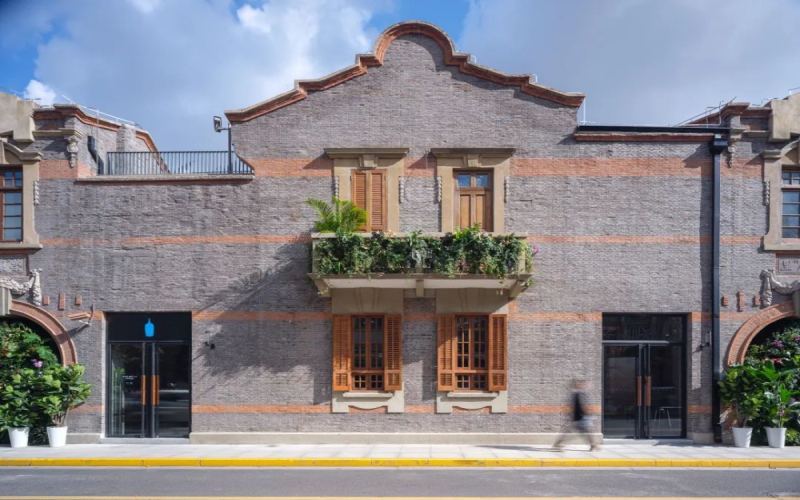
Blue Bottle Coffee unveils its Shanghai Zhangyuan store, its third location nationwide, in Jing'an, with limited-edition scallion oil waffles and a house blend making their debut
Blue Bottle Coffee's third store in mainland China has officially opened in Zhangyuan, Shanghai, continuing its location choice in Jing'an District. The new store is based on the Shikumen architectural style, blending weathered brick walls, original wooden lattice doors and windows, and outdoor alley spaces. In addition to continuing the localized design, the Zhangyuan store also offers a fusion of Chinese and Western "scallion oil waffle," limited-edition blend coffee beans, woven merchandise, and debuts honey sea salt latte and caramel jujube cake. A vintage Oji cold drip coffee maker on the bar counter becomes a highlight. Since Blue Bottle Coffee entered the mainland China market in February this year, its store opening pace has been steady, and the brand expects future expansion in China to be faster than in other international markets it has entered. [more…]
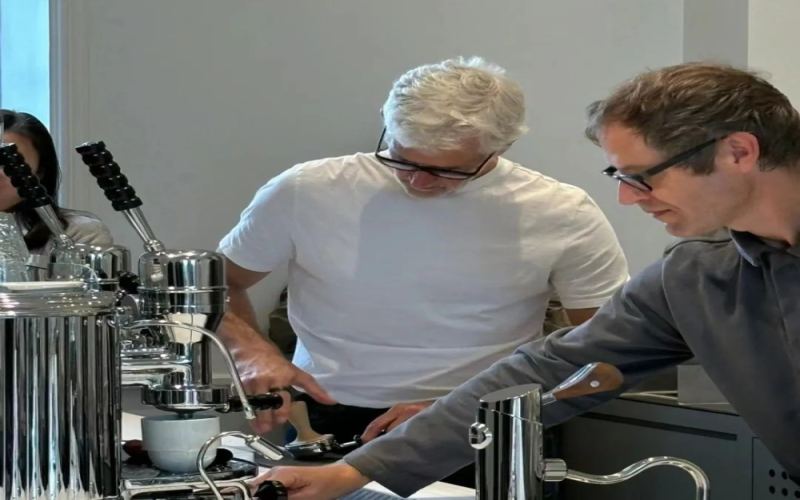
Blue Bottle founder visits Shanghai in person, using a 1950s lever machine to present a coffee Omakase feast
Blue Bottle founder James Freeman and Global Head of Innovation and R&D Benjamin Brewer arrived in Shanghai ahead of schedule and, on the second floor of Blue Bottle's first domestic store, shared the special menu for Blue Bottle Studio Shanghai with coffee lovers. From an opening of extremely light-roast Sumatra "white coffee," to a long drink simulating cupping, a short drink brewed with a flannel dripper, a shaken milk au lait, and then a digestif combining Fenjiu with naturally processed Ethiopian coffee, the entire tasting was paired with vinyl records selected by James, making it nothing short of a multisensory coffee experience. In addition, there was an Espresso 1950 not on the official menu, made with a 1950s FAEMA lever machine, adding a retro Italian touch to the event. [more…]
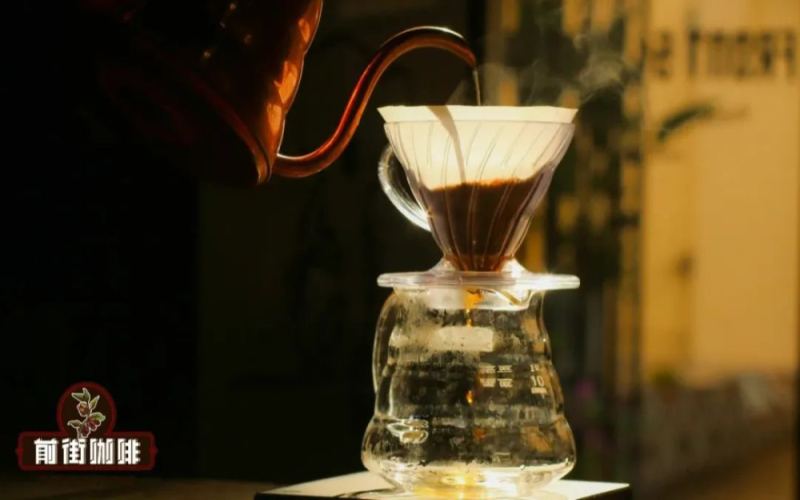
Which type of bottled water is more suitable for brewing coffee? A practical comparison and selection approach for mineral water vs. mountain spring water
Water is the largest component of black coffee and directly participates in and influences the extraction process, so differences in water quality often bring about completely different flavor expressions. There are many types of bottled water on the market, with prices ranging widely from high to low, and whether more expensive water is more suitable for brewing coffee has become a question for many brewing enthusiasts. This article uses two types of bottled water with明显 price differences as test subjects, and adds Nongfu Spring, commonly used in stores, as a control, conducting blind tasting comparisons with two coffees, Yirgacheffe Red Cherry and Diamond Mountain. At the same time, from the perspectives of acidity and alkalinity, softness and hardness, TDS, and calcium and magnesium ions, it explains the principles by which water quality affects extraction, helping coffee enthusiasts understand how to choose more suitable water for brewing coffee. [more…]
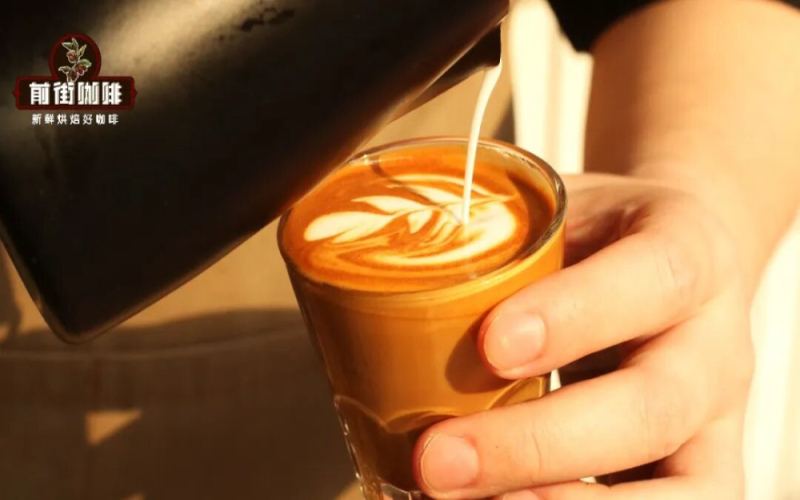
Piccolo, Cortado, and Gibraltar: What's the Difference Between These Three Easily Confused Small Milk Coffees? And Who Is Blue Bottle's Signature Milk Coffee?
On specialty coffee shop menus, lattes and flat whites are already familiar to many, but the piccolo, cortado, and Gibraltar—three small-volume milk coffees—often leave people confused. They look similar, are made in similar ways, and even many baristas easily mix them up. This article will break down the real differences between these three coffees one by one from the perspectives of origin, recipe, cup size, and flavor, and reveal which one Blue Bottle Coffee's signature milk coffee actually is. The article will also offer more specific tasting suggestions based on Front Street Coffee's blends and SOE bean options. [more…]
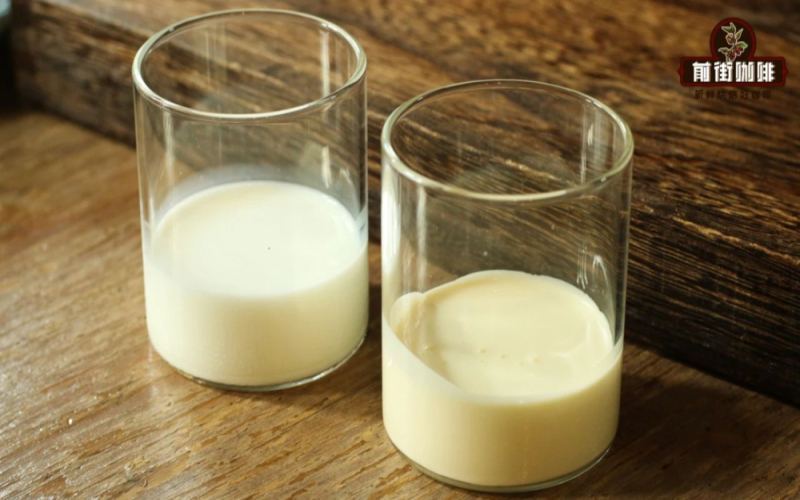
The Origin and Preparation of Viennese Coffee: From Coachman's Coffee to the Cream Coffee Evolution of the Blue Bottle House
Who actually invented adding cream to coffee? Behind Viennese coffee lies a coffee culture history spanning three hundred years. From the one-horse carriages on Austrian streets, to the localized improvements by Kolschitzky, founder of the Blue Bottle House, and on to today's cream-topped fancy coffees popular worldwide, the evolution of this drink is far richer than one might imagine. This article will sort out the true origins of Viennese coffee, clarify its connection to the birth of latte, and share both traditional and modern preparation methods, along with Front Street Coffee's extraction parameters and bean recommendations for coffee enthusiasts to reference and practice. [more…]
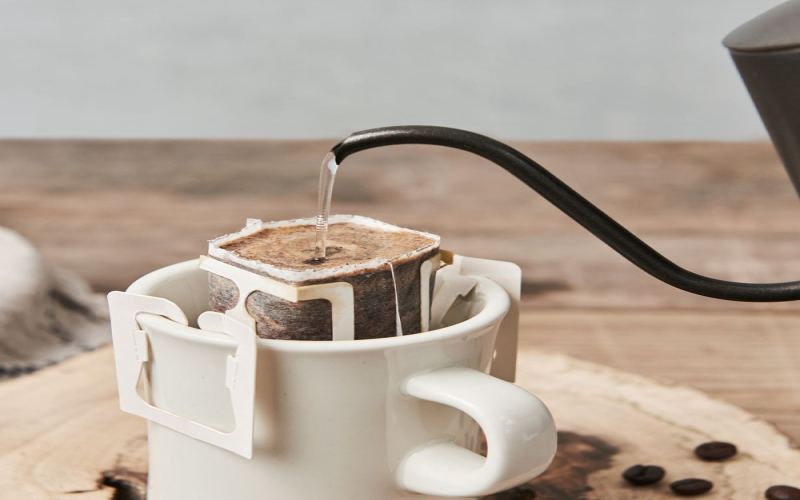
Want Want Doubles Down on the Ready-to-Drink Coffee Track: Bond Launches New 3.5 Yuan Bottled Product—Can a Low-Price Strategy Break Through?
Want Want Group has made another move in the coffee sector, with its Bond brand launching bottled ready-to-drink coffee priced at just 3.5 yuan. From being the first to enter the ready-to-drink coffee market in 1998 to now attracting consumers with a low-price strategy, Want Want has continued to deepen its presence in the coffee arena. Against the backdrop of rapid post-pandemic growth in the coffee market and an endless stream of local brands, Bond Coffee is trying to carve out a place in the fiercely competitive market through strategies such as health-oriented positioning, convenience, and esports marketing. Front Street Coffee will also continue to follow these developments and bring coffee lovers more industry observations. [more…]
The Making of Viennese Coffee, the Origin of Cream Latte, and a Study of the Founder of Blue Bottle House
When and by whom was cream first added to coffee? This article begins with the origins of Viennese coffee, traces its connection to the coachman's Einspänner, and follows the coffee localization practices of Kolschitzky, founder of the Blue Bottle House, after 1684, revealing how cream coffee spread from Vienna to the world. It includes both detailed brewing and preparation steps for traditional Viennese coffee and an introduction to the diverse modern ways of enjoying cream coffee, along with product suggestions and brewing parameters for Front Street Dark Cocoa Blend, PWN Golden Mandheling, and more, balancing historical interest with practical reference. [more…]

The Complete Guide to Making an Iced Shaken Latte: Two Foaming Methods for a Creamier Coffee
In summer, the biggest fear when drinking iced lattes is that once the ice melts, the flavor becomes weak and the texture thin. How can you keep an iced latte rich and creamy? Front Street Coffee shares a simple yet crucial little trick—shake it! Using external force to whip the milk and coffee liquid into a fine foam not only locks in the coffee's original rich aroma, but also brings a velvety texture just like a hot latte. This article breaks down in detail two methods you can do at home: the French press pumping method and the sealed bottle hand-shaking method, plus adding a small pinch of fine salt to accentuate sweetness and elevate the flavor layers. Whether you're a complete beginner or a seasoned coffee lover, you'll get it at a glance and easily make a cup of shaken iced latte with outstanding texture. [more…]
2026 Taobao Espresso Blend Coffee Beans Sales Ranking Top 10: Luckin, Manner, and Blue Bottle Make the List — How Did Front Street Coffee Reach the Top?
If you search for "espresso blends" on Taobao and sort by sales, you'll find that the beans on the list are surprisingly consistent in style—dark roasted, bold, and suitable for lattes. This shows that most people buying espresso beans aren't after a unique fruity acidity, but rather a stable, delicious milk coffee every morning. But the soul of espresso lies in the crema, and the key to crema is freshness. Many bestselling products, due to inventory turnover issues, may arrive already half a month or even a month past their roast date, with little crema left. This article uses "suitable for milk coffee" as its baseline standard and adds "freshness" as a hardcore metric, re-compiling the Top 10 espresso blends more worth buying in 2026, covering brands like Front Street Coffee, Captain George, Sinloy, Manner, Luckin, Peet's, and Blue Bottle, to help you find the one that suits you best. [more…]
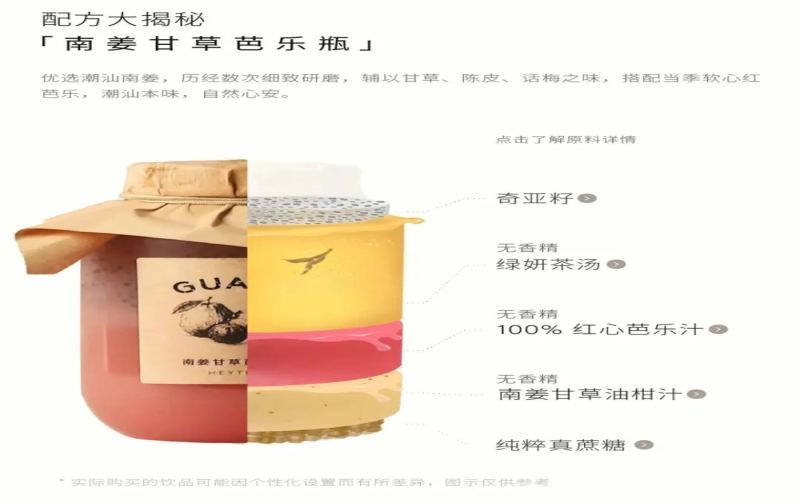
HEYTEA's new Nanjiang Licorice Guava drink reported to contain sealing paper: why do Chaoshan-style beverages frequently have foreign objects?
In late February, Heytea launched a new product inspired by Chaoshan licorice fruit, the "Nanjiang Licorice Guava Bottle," mixing guava juice, nanjiang plum powder, licorice powder, dried tangerine peel powder, and preserved plum powder with a tea base and oil mandarin juice, in an effort to replicate the flavor of street-side licorice fruit. However, after this distinctly Chaoshan-flavored new product hit the market, controversy has been continuous: Chaoshan consumers generally reported that they could not taste the nanjiang flavor they remembered, while customers from outside the Chaoshan region were full of doubts about how strong the ginger flavor was and whether it was spicy. More notably, multiple consumers drank a complete round sealing paper from the bottle, suspected to be caused by the double-layer sealing design allowing the paper to be pushed into the drink by the straw. Heytea customer service responded that the paper is a food-contact-grade material and does not affect consumption. This article will sort out the development approach, packaging design, and the ins and outs of the foreign object incident for this new product. [more…]
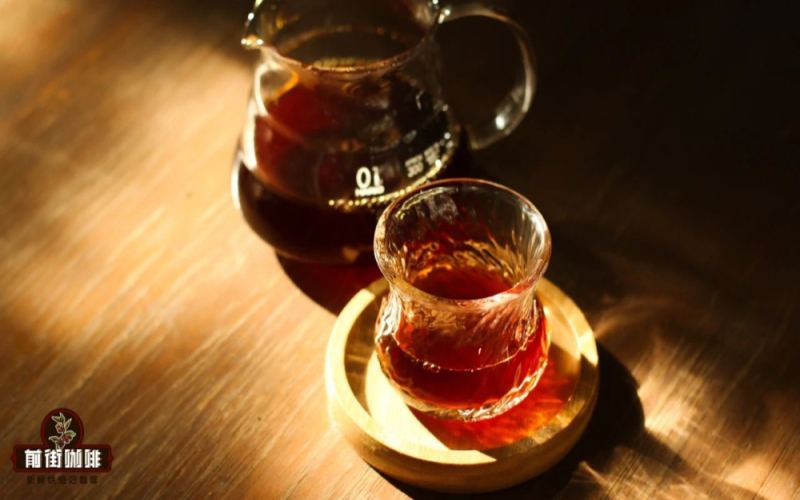
From Smell to Touch: A Practical Path to Systematically Building Your Personal Coffee Sensory Skills
Coffee tasting goes far beyond taste—it is a coordinated experience of sight, hearing, touch, smell, and taste. This article starts from the interactive setting of a specialty coffee shop and delves into how to train and build your own coffee sensory system through daily accumulation and professional tools. You will learn how smell pulls on taste memory, how the tongue distinguishes the five basic tastes, how touch perceives body and smoothness, and how to use aroma kits such as the 36-aroma coffee nose and the 100-flavor flavor map for deliberate practice. Whether you are a coffee enthusiast or a professional, this method can help you read the flavors in the cup more clearly, making every tasting more enjoyable and more precise. [more…]
Liushen Florida Water Teams Up with Lelecha for a Co-branded Milk Tea: Full Analysis of the Mint Meilong Ice Coconut Flavor's Price and Consumer Reviews
Chinese brand Six God floral water is once again making waves with a crossover collaboration, this time teaming up with Lelecha to launch a drink called "Mint Melon Ice Coconut." Its bottle closely resembles the classic floral water packaging, quickly sparking heated discussion online. This drink blends mint, melon, and coconut milk, and netizens describe its taste as refreshing—not the dark, floral-water flavor one might imagine. The product has sold out in some stores, with limited restocking nationwide starting September 25. In recent years, Six God has been making frequent crossover moves, previously collaborating with KFC and RIO to launch coffee-flavored floral water and floral water cocktails, each time successfully catching consumers' attention. This article will detail the taste, price, consumer feedback, and Six God's past crossover cases for this co-branded milk tea, taking you behind the business logic of brand mashups. [more…]
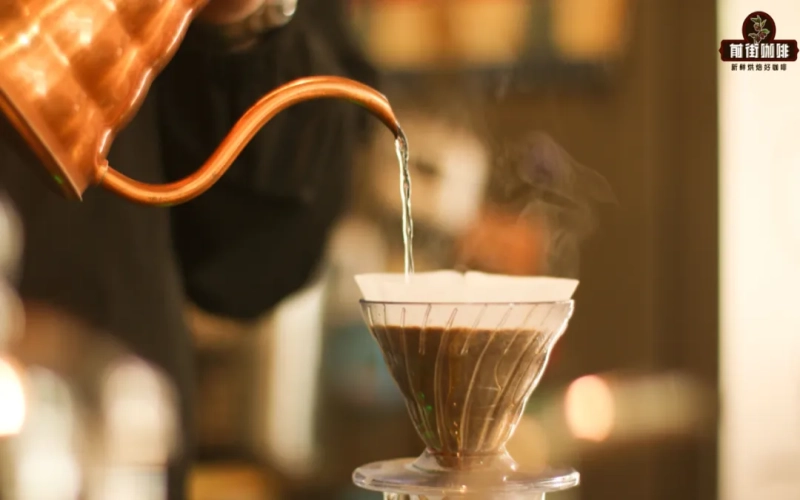
How to adjust coffee brewing water? A detailed explanation of the ratio of baking soda to magnesium sulfate and why tap water should be avoided in espresso machines
The water you use to brew coffee has a far greater impact on the final flavor than you might imagine. Tap water tends to have a high mineral content, which not only easily builds up scale on the inner walls of a coffee machine and hinders its normal operation, but also interferes with the extraction of coffee flavor. Drawing on Front Street's practical experience, this article first explains PPM and the criteria for judging soft and hard water, then explains why espresso machines should not use tap water directly, and afterward gives a hands-on demonstration of how to mix your own brewing water using baking soda and food-grade Epsom salt (magnesium sulfate), along with a brewing comparison against Nongfu Spring, for coffee lovers' reference. [more…]
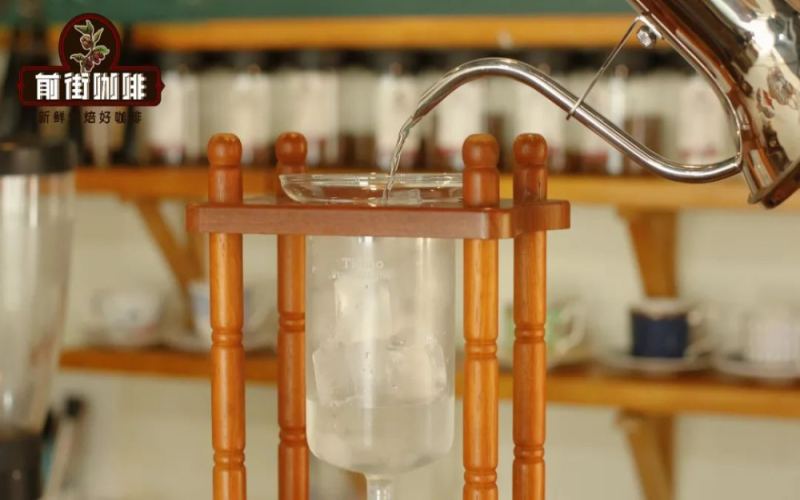
The Best Way to Drink Cold Brew Coffee | Why Should Cold Brew Coffee Be Fermented Overnight After Extraction Before Drinking? What Are the Advantages of Cold Brew Coffee?
For more specialty coffee knowledge, please follow our WeChat official account: FrontStreet Coffee. Cold brew coffee has always been very popular. On hot summer days, when people come into the shop, many of them choose a cold brew coffee. Take a sip of cold brew—the icy coffee feels clean and smooth in the mouth. [more…]
Analysis of Cold Brew Coffee Extraction Principles and Flavor Characteristics, with Equipment Operation Steps and Usage Precautions
Cold brew coffee uses cold water at 5°C, slowly dripping through the coffee grounds over several hours of extraction, yielding a coffee liquid with rich aroma, a round and smooth mouthfeel, full body, and particularly outstanding flavor expression. Its greatest advantage is that it is neither sour nor astringent and does not irritate the stomach, which is thanks to the choice of dark-roasted coffee beans and the entire cold-water extraction process, avoiding the astringent substances released by hot water at high temperatures. This article will provide a complete introduction to the key points of making cold brew coffee, from the principles and characteristics, the use of equipment, precautions, to the specific production process of the Dutch-style drip brewer, helping coffee enthusiasts make the ultimate 100% original-flavor water-drip coffee at home. [more…]
Analysis of Cold Brew Coffee Ratios and the Reason for Fermenting Overnight After Extraction
Cold brew coffee is a popular drink in summer. Its low-temperature, long-extraction method gives the coffee a clean and smooth taste. But many people wonder: why does cold brew need to be placed in the refrigerator to ferment overnight after extraction before it can be drunk? In fact, this step is more accurately an oxidation process. Based on Front Street Coffee's production experience, this article introduces the extraction principles of cold brew coffee, the coffee-to-water ratio, the specific operating steps, and the approach to choosing blended beans. Front Street will also share how pairing two kinds of coffee beans can make cold brew's flavor layers more prominent while preserving the unique aroma and rich mouthfeel brought by fermentation. [more…]